Used car value in NJ depends on far more than the number on your odometer. If you plan to sell a used car in NJ, you quickly realize the price you expect and the price buyers offer rarely match. Every vehicle carries a different value because buyers don’t just look at the car — they evaluate its condition, history, demand, and long-term reliability. In New Jersey’s active auto market, even small details can shift your final offer by a noticeable margin. Understanding what affects used car value helps you avoid low offers and position your vehicle correctly before you sell.
How Used Car Value Really Works in the Market
Used car pricing does not come from a single source. Buyers compare your vehicle with similar listings, dealership prices, auction results, and local demand patterns. They also calculate future repair costs before making an offer.
When a buyer evaluates your car, they focus on risk. A low-risk car earns a higher price. A high-risk car pushes the offer down immediately. This simple logic drives most negotiations in the used car market.
In New Jersey, where buyers have many options, your car competes with hundreds of similar vehicles. That competition shapes the final value more than most sellers expect.
Mileage and Its Direct Impact on Selling Price
Mileage is one of the first details buyers check. It gives them a quick idea of how much the car has been used and how much life it may have left.
Lower mileage usually increases value because it signals less engine wear, fewer repairs, and longer usability. Higher mileage often reduces value even if the car runs well.
However, buyers also understand context. A highway-driven car with higher mileage may still perform better than a low-mileage city-driven car. Still, mileage remains a strong pricing filter in almost every sale — one of several factors we account for when we evaluate your vehicle.
Physical Condition of the Exterior and Interior
Condition creates the first impression, and first impressions strongly influence price. Buyers notice scratches, dents, faded paint, and rust immediately.
Inside the car, wear and tear matters just as much. Clean seats, a fresh dashboard, working electronics, and a maintained cabin increase trust. Damage, stains, or broken components quickly reduce interest.
Even small cosmetic issues can affect negotiation because buyers assume neglect may extend to mechanical care as well — a big reason why condition remains one of the most visible drivers of used car value.
Mechanical Health and Driving Performance
A car’s mechanical condition carries more weight than appearance. Buyers pay close attention to engine smoothness, transmission behavior, braking response, and suspension quality.
Any unusual noise or vibration raises concerns. Even if the issue is minor, buyers often lower their offer to account for potential repairs.
A well-maintained vehicle with smooth performance signals reliability. That reliability directly increases market value and shortens the selling process — which is part of why we’re able to buy cars for cash quickly, regardless of minor mechanical wear.
Service Records and Maintenance History
A complete service history builds confidence. Buyers want proof that the vehicle received regular maintenance such as oil changes, filter replacements, brake servicing, and tire rotations.
When you provide documented service records, you remove doubt from the buyer’s mind. That often results in stronger offers and faster decisions.
Missing records create uncertainty. Even if you maintained the car properly, buyers may assume skipped maintenance and reduce their offer accordingly.
Also read: Complete Checklist Before Selling Your Car
Accident History and Structural Condition
Accident history plays a major role in determining resale value. Even minor accidents affect buyer confidence because they raise concerns about hidden damage.
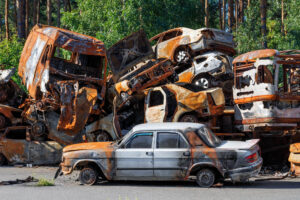
Severe accidents, especially those involving frame repairs or insurance claims, significantly reduce value. Buyers check vehicle history reports before making decisions, and any negative record affects pricing. A clean accident history increases trust, improves negotiation strength, and makes your vehicle easier to sell — though even vehicles with a rougher history can still qualify for our junk car removal service if selling privately isn’t realistic.
Demand Trends in the New Jersey Market
Market demand shifts constantly, and it strongly affects how much buyers are willing to pay. In New Jersey, certain vehicles consistently perform better based on lifestyle and geography.
Fuel-efficient cars attract commuters who travel daily. SUVs and crossovers perform better in suburban areas with families. Trucks often appeal to construction workers and small business owners.
Seasonal demand also influences pricing. SUVs gain value in winter, while convertibles and compact cars perform better in warmer months. When your vehicle matches current demand, it naturally increases in value.
Age of the Vehicle and Depreciation
Every car loses value over time, even with perfect maintenance. Depreciation happens fastest in the early years and slows down later.
Newer vehicles attract higher prices because they offer updated safety features, better fuel efficiency, and modern technology. Older vehicles often require more maintenance, which reduces buyer interest.
Age alone does not determine value, but it strongly influences how buyers compare your car to newer alternatives — something to keep in mind whether you’re comparing offers or deciding it’s finally time to sell your car.
Brand Reputation and Model Reliability
Some brands maintain value better than others due to reliability and long-term performance. Buyers often research brand reputation before making decisions.
Reliable brands attract stronger resale prices because buyers expect fewer repairs and lower ownership costs. Within the same brand, some models perform better than others depending on demand and reliability ratings.
If your car belongs to a trusted model, it automatically strengthens your selling position and boosts your used car value compared to less reliable alternatives.
Fuel Efficiency and Running Costs
Fuel efficiency has a direct impact on buyer interest. Rising fuel prices push buyers toward economical vehicles that reduce long-term expenses.
Smaller engines and hybrid models often attract more attention in urban markets like New Jersey. Large-engine vehicles may lose value unless they serve specific needs such as towing or commercial use.
Buyers always calculate fuel cost before making an offer, which directly affects your final price.
Tire Quality, Battery Health, and Wearable Components
Consumable parts such as tires, brakes, and batteries play a subtle but important role in pricing. Buyers consider immediate replacement costs when evaluating your car.
New or recently replaced tires increase value slightly. Worn tires or weak batteries reduce it because buyers factor in repair expenses right after purchase.
Even though these components are not major mechanical systems, they influence negotiation outcomes significantly.
Ownership History and Number of Previous Owners
Ownership history affects trust. A single-owner vehicle usually earns a higher price because it suggests consistent care and fewer unknown issues.
Multiple owners can reduce value because buyers assume inconsistent maintenance or varied driving habits.
A clean and simple ownership record strengthens buyer confidence and improves your final offer.
Title Status and Legal Clarity
Title type plays a critical role in determining value. A clean title indicates no major legal or structural issues.
Salvage or rebuilt titles significantly reduce value because they signal past damage or insurance claims. Buyers also consider insurance limitations and resale difficulty when evaluating such vehicles.
A clean title always increases demand and improves negotiation power. Not sure where your title stands or what it means for your sale? Our team can walk you through it — just reach out to us with your questions.
Sell Your Car with Confidence in New Jersey
When you are ready to move forward, working with the right buyer makes the entire process faster and easier.
Cash Your Car NJ offers a simple way to sell your vehicle without stress, delays, or complicated negotiations. We evaluate your car based on real market conditions and provide fair, competitive offers.
If you want a smooth experience and a clear price for your vehicle, get an offer today and turn your used car into cash in New Jersey.